
Why Manifestation Isn’t Just Mindset… The Role of Limiting Beliefs in the Body
We’re often led to believe that manifestation is simple. Be clear on what you want, visualise it, feel it, take aligned action. And while all of that matters… it’s not the whole picture.
Because you can see your future clearly, feel excited about it, take all the “right” steps, and still feel like something isn’t quite shifting. You still feel blocked, still feel stuck in the same patterns and still feel like what you want is just out of reach. This isn’t because you are doing anything wrong.
It’s because manifestation doesn’t just happen in the mind, it happens in the body.
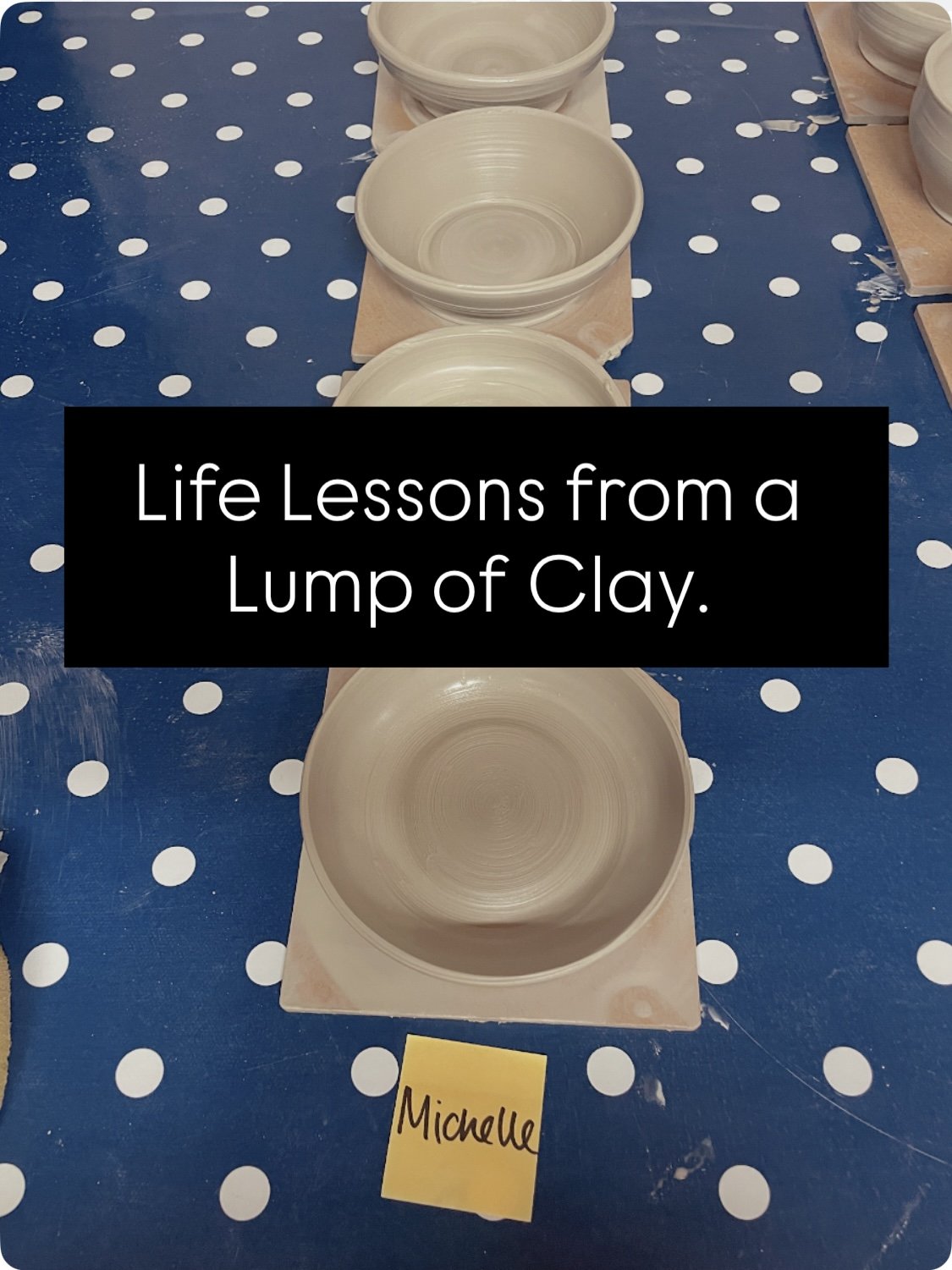
Life Lessons from a Lump of Clay: What Pottery Taught Me About Healing
I thought it would be fun, maybe even meditative. What I didn’t expect was how deeply this experience would mirror the kind of healing work I guide my clients through every day.
Because working with clay?
It demanded everything—my body, my mind, my presence, my patience.
And so does healing.
Here are the lessons that clay gently (and at times not-so-gently) reminded me of—and how they connect to the way we heal, grow, and come back home to ourselves.
Why Inner Child Healing Is the Key to True Growth and Expansion
Why Inner Child Healing Unlocks Expansion
So often, the things that block our growth — in relationships, career, self-worth, or self-expression — aren’t due to a lack of strategy or effort. They’re rooted in unconscious survival patterns created by a younger version of us.
Here’s how healing your inner child supports expansion:
You stop reacting from old wounds and start responding with clarity.
You release the emotional charge behind limiting beliefs and trauma responses.
You reclaim your voice and express your needs without shame.
You feel safer being seen, loved, and successful — because the part of you that once feared rejection now feels supported.
Inner child work creates emotional spaciousness. And from that space, growth becomes natural — not forced.

Allowing Yourself to Grieve the Life You Thought You’d Live…
This is a kind of grief no one talks about
Grief doesn’t only follow death. Sometimes, grief shows up when the life you thought you’d live slips out of reach.
Maybe you pictured a family that didn’t come, a career that never took off,
a love that never found you, a family life that included a partner to share the load with, a version of yourself you expected to become — and didn’t.
It’s a quiet grief. Often invisible, sometimes even hard to identify by ourselves. And because it isn’t widely acknowledged, many people push it down or minimize it. They say things like:
“Other people have it worse.”
“I should be grateful for what I have.”
“I should be over it.”